Mercado de Trabalho
 Admin Sabejobs
 nov 20, 2026
 11 mins de leitura
Gestão de ausências por doença começa no primeiro contacto
Admin Sabejobs
nov 20, 2026
11 mins de leitura
Saiba como gerir ausências por doença desde a primeira chamada, com registo claro, contacto programado e continuidade entre gestores e RH.
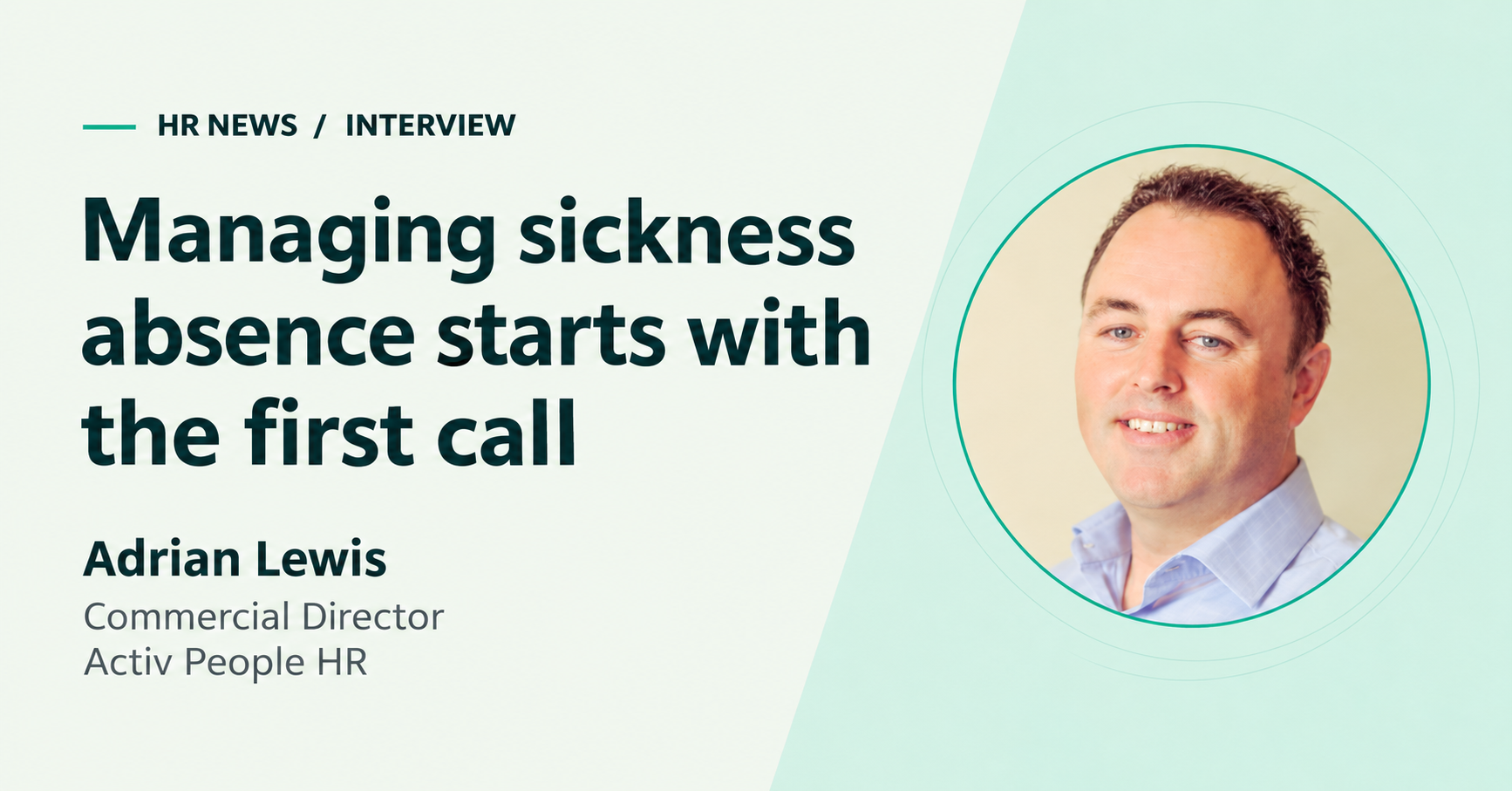
The HR News editorial team interviewed Adrian Lewis, Commercial Director at Activ People HR, to hear his thoughts on how employers can manage sickness absence more consistently while supporting employees. We asked where the process tends to break down, how managers can keep in touch when someone is off sick and what HR teams can do to improve their approach.
Adrian Lewis: Often it’s in the handover. A manager takes the call, sorts out cover and gets on with the day. HR might hear about it later, especially if the person is off for longer than expected. By then, it can be hard to establish what was agreed, whether anyone has checked in or who’s supposed to make the next call.
One question I’d ask is: if the manager who took the call is off tomorrow, would someone else know what happens next? If the answer depends on finding a text message on that manager’s phone, you’ve found something worth fixing.
Adrian Lewis: Agreeing when to speak again takes a lot of uncertainty out of it. A manager might say, “Would Thursday be a good time for me to check in? Is there anything you need from us before then?” The employee knows when to expect contact, and the manager has a clear next step.
It also helps to think about the purpose of the call. If someone’s still unwell, a useful conversation might be about taking a deadline off their plate or agreeing how they’d like to keep in touch. Asking for a return date every time can put pressure on someone who genuinely doesn’t know yet.
Adrian Lewis: I’d look at how the process is working across teams. Are some managers routinely having a conversation when someone returns, while others rarely record one? That’s worth looking into. The conversations may be happening and going unrecorded, or managers may be unsure what they’re expected to cover. You’d respond differently depending on what you find.
The same applies when an individual’s absences show a pattern. A record can tell you when someone was off. A conversation may help you understand whether something at work is contributing or whether there’s support the employee would find helpful.
Adrian Lewis: Take one recent case and walk through it with the manager who handled it. Start with the first call. What did the employee understand would happen next? Who owned the follow-up? When the employee returned, was there anything they needed that the manager could help with?
Then ask a manager from another team what they would have done in the same situation. If you get very different answers, choose one point to clarify. It might be as simple as agreeing who makes the next call and where that commitment is recorded. You can make that change without rewriting the whole policy.
Activ People HR’s free guide, Managing sickness absence, includes a checklist for reviewing your process, from reporting and keeping in touch to return-to-work conversations and longer-term support.
Quer ir mais longe? VejaPrograma de afiliadose conheça tambémPlanos para profissionais.
Ver vagas de emprego. Consulte as vagas activas publicadas pelas empresas que estão a recrutar em Moçambique. Saber mais
Continue a explorar no SabeJobs: Empresas que recrutam · Perfis de candidatos · Vagas de emprego



Receba novidades e vagas atualizadas